Source Waterproof Inflatable Dinosaur Egg for Parties, Events, and Decor
Explore 30 listings for the waterproof inflatable dinosaur egg, comparing specifications like size, material, and age range. Buyers can evaluate options for summer events, water sports, and party decorations to find suitable suppliers.
Key considerations
Products List
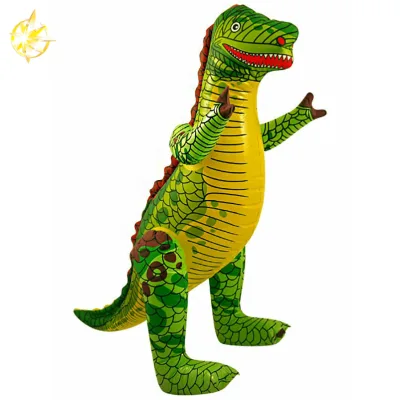
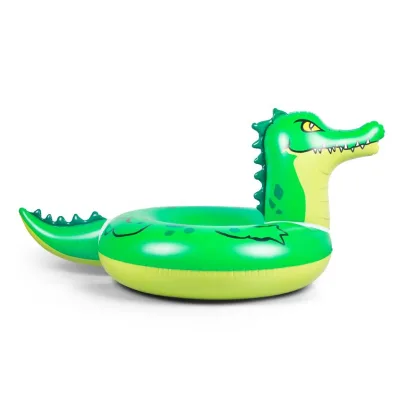





Comprehensive Sourcing Guide
Strategic Sourcing Guide for Waterproof Inflatable Dinosaur Egg Products
Understanding Product Categories and Technical Specifications
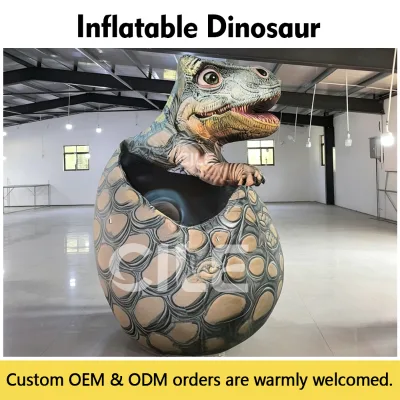
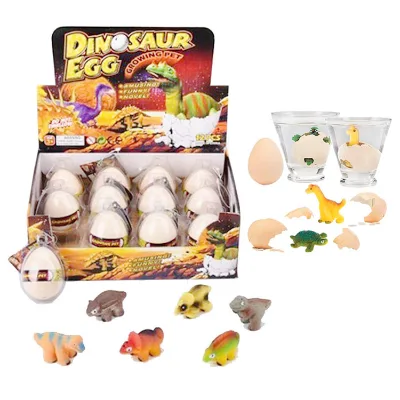
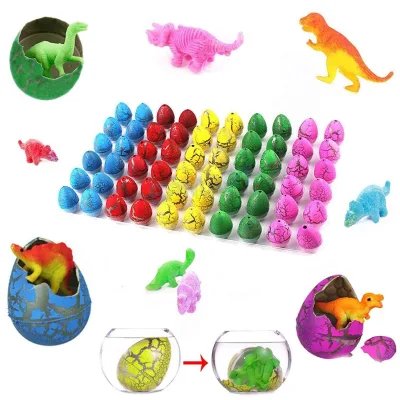
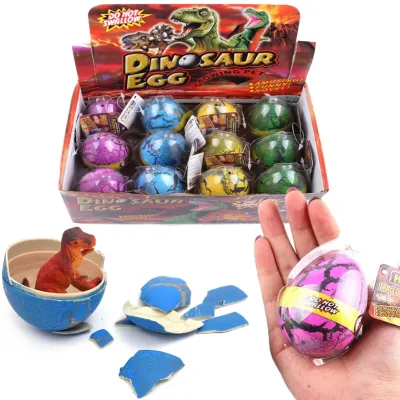
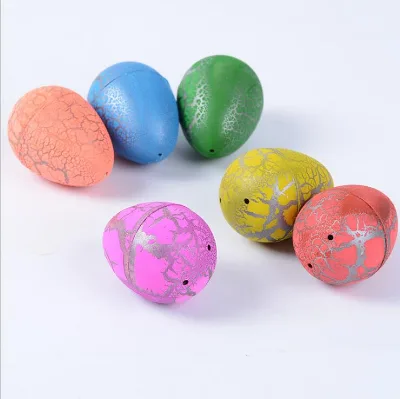
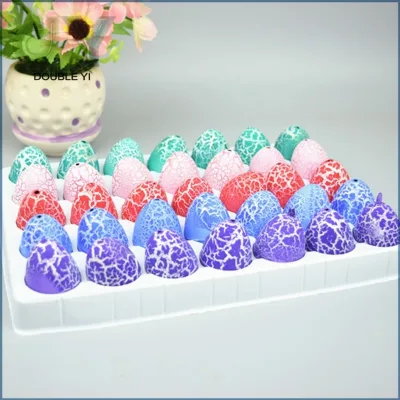
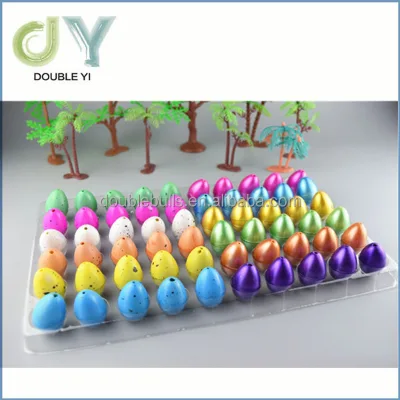
The market for "waterproof inflatable dinosaur egg" products encompasses a diverse range of items that often share similar naming conventions but differ significantly in material composition, functional design, and intended application. Buyers must first distinguish between two primary categories observed in current listings: hatching educational toys and large-scale inflatable decorations. The first category typically involves small, solid or semi-solid eggs designed to expand when submerged in water, often marketed as "grow eggs" for children. These items frequently utilize PVC Tarpaulin or similar plastic materials, though the primary mechanism is chemical expansion rather than air inflation. The second category consists of large, air-filled inflatable structures shaped like dinosaur eggs, intended for outdoor events, parties, or water sports. These products rely on PVC or PVC Tarpaulin materials to ensure waterproof integrity and structural durability under pressure.
Technical specifications vary widely between these sub-categories. For the hatching toy segment, dimensions are often compact, with heights ranging from 0 to 10 cm in their dormant state, expanding significantly upon hydration. The packaging for these items is typically designed for retail display, with configurations such as 12 eggs per display box and 12 display boxes per carton. In contrast, the inflatable decoration segment features larger single package sizes, such as 28.5 x 18 x 4 cm for folded units, with cartons measuring approximately 53 x 38 x 59 cm. The material composition is a critical differentiator; while some listings specify PVC Tarpaulin for durability, others simply list PVC. Buyers must verify the specific grade of PVC, as standard PVC may lack the tensile strength required for repeated inflation and deflation cycles in outdoor environments. Furthermore, the weight of individual units varies from negligible grams for small toys to approximately 0.045 kg for specific inflatable models, influencing shipping costs and handling requirements.
Compliance, Certification, and Safety Standards
Safety compliance is paramount when sourcing products intended for children or public use. For the hatching toy segment, which targets age ranges from 2 to 4 years up to 14 years and older, adherence to international safety standards is non-negotiable. One specific certification frequently observed in this sector is EN71, a European standard for toy safety. This certification covers mechanical and physical properties, flammability, and chemical migration, ensuring that the materials used in the dinosaur eggs do not pose a choking hazard or contain toxic substances. Buyers should explicitly request proof of EN71 compliance for any product marketed toward the 2-to-4-year-old demographic, as this age group is most susceptible to ingestion risks.
For the inflatable decoration category, which often targets older age groups (14 years and up) or general public use, the focus shifts slightly toward material safety and structural integrity. While specific certification data may vary by manufacturer, the material itself must be non-toxic and free from harmful phthalates, especially if the product is used in water sports or close contact with skin. The "Place of Origin" for many of these products is listed as China, specifically regions like Guangdong, which is a major manufacturing hub. However, origin alone does not guarantee compliance. Buyers must verify that the supplier has undergone third-party testing to confirm that the PVC or PVC Tarpaulin used meets relevant safety thresholds. Additionally, for products labeled as "Children Educational Toys," the packaging and filling materials must be safe for handling. The "Filling" attribute often listed as "Other" requires clarification to ensure no hazardous substances are included in the expansion mechanism or internal structure.
Cost Drivers and Pricing Dynamics
The pricing structure for waterproof inflatable dinosaur egg products is influenced by several key variables, including material quality, order volume, and packaging complexity. The observed price range in the market spans from $0.03 to $4,888, reflecting the vast difference between a single small hatching egg and a large commercial-grade inflatable installation. The lower end of the spectrum typically corresponds to the hatching toy segment, where unit costs are minimal due to the small volume of material used. Conversely, the higher end reflects large inflatable structures that require significant amounts of PVC Tarpaulin, reinforced stitching, and complex manufacturing processes.
Minimum Order Quantity (MOQ) is another critical cost driver. Listings indicate MOQs ranging from 1 unit to 15,000 units, with specific constraints such as 5 cartons for certain toy models or 500 pieces for inflatable variants. These thresholds directly impact the unit price; larger orders generally secure better pricing per unit due to economies of scale in production and shipping. Packaging also plays a role in cost determination. Products shipped in display boxes with specific carton configurations (e.g., 2880 units per carton) optimize logistics efficiency, reducing the cost per unit compared to bulk unpackaged shipments. Buyers should also consider the "Single Gross Weight" and "G.W & N.W" (Gross Weight and Net Weight) when calculating total landed costs. For instance, a carton weighing 18.3 kg with a net weight of 16 kg will incur different freight charges compared to lighter, less dense shipments. Understanding these variables allows buyers to negotiate more effectively and forecast total procurement costs accurately.
Typical Applications and Market Segmentation
The applications for waterproof inflatable dinosaur egg products are diverse, catering to distinct market segments ranging from educational retail to event management. The hatching dinosaur eggs are primarily positioned as educational toys and gifts. Their function is explicitly described as "Children Educational Toys" and "Gift," making them suitable for retail environments, party favor bags, and classroom activities. The age range for these products is broad, covering toddlers (2-4 years) up to teenagers (14 years and up), allowing for flexible marketing strategies. The "grow up toy" feature adds an element of surprise and discovery, appealing to parents seeking interactive learning experiences.
In contrast, the inflatable dinosaur egg decorations serve a different purpose, often utilized in summer events, water sports, and commercial promotions. These products are marketed with attributes such as "Summer" seasonality and "Water Sports" application. Their large size and durable PVC construction make them ideal for beach resorts, pool parties, and outdoor festivals. The "Unisex" gender classification and multi-color options further expand their appeal to a general audience. Some models are specifically designed as "blow up toy animal inflate party decoration," indicating their use in celebratory contexts. The distinction between these applications is crucial for buyers, as the quality requirements for a toy that must be safe for a toddler differ significantly from those of a large inflatable that must withstand wind and water exposure.
Supplier Evaluation and Verification Protocols
Evaluating suppliers for waterproof inflatable dinosaur egg products requires a rigorous approach to verifying capabilities and reliability. Buyers should prioritize suppliers who provide clear documentation regarding their "Place of Origin" and manufacturing processes. While many suppliers list their origin as China, specifically Guangdong, the specific factory capabilities must be assessed. Key verification points include the supplier's ability to meet specific MOQ requirements, such as the 5-carton minimum for toys or the 500-piece minimum for inflatables. Additionally, the "Payment Term" of T/T (Telegraphic Transfer) is common, but buyers should negotiate terms that protect their interests, such as partial payments upon shipment completion.
When assessing product quality, buyers must scrutinize the "Model Number" and "Brand Name" consistency. For example, models like DW1907167 and WS1808064 represent specific product lines with unique specifications. A reputable supplier will maintain consistency in these identifiers and provide accurate data on "Single Package Size" and "Carton Size." Buyers should also verify the "Brand Name" associated with the product, as established brands often have stricter quality control measures. Furthermore, the "Packing" details, such as "DISPLAY BOX" or "Carton," should be confirmed to ensure that the packaging meets the buyer's logistical needs. Suppliers who can provide samples for testing and demonstrate a history of compliance with standards like EN71 are preferable. It is essential to avoid suppliers who cannot provide clear answers regarding material composition or safety certifications.
Quality Control and Long-Term Procurement Considerations
Implementing a robust quality control (QC) strategy is essential for mitigating risks associated with sourcing waterproof inflatable dinosaur egg products. For hatching toys, QC should focus on the expansion mechanism, ensuring that the eggs grow to the expected size and do not release harmful chemicals. For inflatable models, QC must verify the integrity of the PVC material, checking for leaks, seam strength, and colorfastness. Buyers should request pre-shipment inspections to confirm that the "Single Gross Weight" and dimensions match the provided specifications. Any deviation in weight or size could indicate material thinning or manufacturing defects.
Long-term procurement considerations involve building a sustainable supply chain that can adapt to market fluctuations. Buyers should establish clear communication channels with suppliers regarding lead times and production capacity. The "QTY/CTN" (Quantity per Carton) of 2880 for certain toy models highlights the importance of efficient logistics planning. Additionally, buyers should consider the environmental impact of PVC materials and explore suppliers who offer eco-friendly alternatives or recycling programs. The "Function" of the product, whether as an educational tool or a party decoration, should align with the buyer's long-term brand strategy. By maintaining a focus on quality, compliance, and supplier reliability, buyers can ensure a steady supply of high-quality waterproof inflatable dinosaur egg products that meet the demands of their target markets.
Comparative Analysis of Product Attributes
To facilitate informed decision-making, the following table summarizes key attributes observed across different product listings, highlighting the distinctions between hatching toys and inflatable decorations.
| Attribute | Hatching Educational Toy | Inflatable Decoration |
|---|---|---|
| Primary Material | PVC Tarpaulin / Plastic | PVC / PVC Tarpaulin |
| Typical Size | 0-10 cm (Height) | 28.5 x 18 x 4 cm (Folded) |
| Age Range | 2-4 Years, 5-7 Years, 8-13 Years | 14 Years & Up |
| MOQ | 3-5 Cartons | 500 pcs |
| Certification | EN71 | Varies (Verify) |
| Function | Educational, Gift | Party Decoration, Water Sports |
| Packaging | 12 eggs/display box | Display Box / Carton |
| Weight (Single) | ~0.0 kg (Light) | 0.045 kg |
| Origin | China | Guangdong, China |
This comparison underscores the need for buyers to clearly define their requirements before engaging with suppliers. The significant differences in age targeting, material usage, and minimum order quantities mean that a one-size-fits-all approach is ineffective. By carefully analyzing these attributes, buyers can select the most appropriate product line for their specific business needs, ensuring compliance with safety standards and maximizing the value of their procurement investment.
FAQs
What materials are used for waterproof inflatable dinosaur eggs?
These products primarily use PVC or PVC Tarpaulin to ensure waterproof integrity and durability. Buyers should verify the specific grade of material to confirm it meets tensile strength requirements for repeated inflation cycles in outdoor environments.
Which safety certifications are required for children's dinosaur egg toys?
Products targeting children often carry EN71 certification to ensure safety against mechanical hazards and toxic substances. This standard is critical for items marketed to age ranges as young as two years old to prevent ingestion risks.
How do MOQ requirements vary between toy and inflatable categories?
Minimum Order Quantities range from 3 to 5 cartons for hatching toys and up to 500 pieces for inflatable decorations. These thresholds directly impact unit pricing and require buyers to plan inventory based on specific product types.
Can buyers find dinosaur egg toys with specific age range filters?
Yes, listings specify age ranges from 2 to 4 years up to 14 years and older depending on the product type. Buyers must match the age range to the intended use, such as educational toys for toddlers or decorations for older groups.
What is the typical packaging configuration for these dinosaur egg products?
Hatching toys often come in display boxes with 12 eggs per box and 12 boxes per carton. Inflatable units may be packed in cartons with specific dimensions like 53 by 38 by 59 cm to optimize shipping logistics.
Where are these waterproof inflatable dinosaur egg products typically manufactured?
Most products originate from China, with specific manufacturing hubs located in Guangdong. Buyers should verify the place of origin to ensure compliance with regional manufacturing standards and quality control protocols.